
Pulsamento: Why This Unique Word Is Getting So Much Attention
Have you recently searched for pulsamento and wondered what it really means? You are not alone. Many people are curious because this word appears in articles about music, technology, health, personal growth, and even digital branding. Although it is not a common English word, it carries a simple and powerful idea that almost everyone experiences every day.
At its heart, pulsamento is connected with rhythm, repeated movement, and natural flow. Think about your heartbeat, your breathing, your sleep schedule, or even the habits you follow every morning. These actions happen again and again. Over time, they shape your health, your thinking, your productivity, and even your success. That is why understanding this concept is more useful than many people first imagine.
In today’s fast-moving world, people often focus on big goals while forgetting the small actions they repeat every day. A student who studies for 30 minutes daily usually performs better than someone who studies only the night before an exam. A person who saves a little money every month often reaches financial goals faster than someone who waits for the “perfect time.” These simple examples show that success is usually built through consistent patterns rather than one big effort.
This guide explains everything you need to know in simple English. You will learn where the word comes from, what it means in different fields, how it relates to everyday life, and how you can use its ideas to build better habits. Whether you are a student, a professional, a business owner, or simply someone who enjoys learning new things, this article will help you understand why rhythm and consistency matter more than you may think.
What Is Pulsamento?
The word pulsamento is linked to the ideas of pulse, rhythm, movement, and repetition. It comes from language roots related to beating or moving in a regular pattern. While it is not yet a widely used English dictionary term, its meaning is easy to understand because it describes something people experience every day. From the rhythm of music to the beat of your heart, repeated patterns exist all around us.
Imagine standing on a beach and watching the waves reach the shore. One wave comes after another in a steady flow. Now think about your heartbeat. It follows a natural rhythm that keeps your body alive. Your breathing also follows a repeating pattern. Even your daily routine has its own rhythm. You wake up, get ready, eat meals, work or study, relax, and sleep. These repeated actions create a pattern that slowly shapes your life.
The idea behind pulsamento is not limited to physical movement. It also applies to habits, emotions, learning, and personal growth. Your brain likes familiar routines because they save energy. This is why brushing your teeth, driving to work, or typing on a keyboard eventually becomes automatic. At first, these activities require full attention. After enough practice, they become part of your normal routine. This process shows the power of repeated actions.
A simple real-life example makes this idea easier to understand. Imagine two friends who both want to become better at English. The first friend reads ten pages of a book every day. The second friend reads only once every few weeks. After one year, the first friend usually has a larger vocabulary, stronger reading skills, and more confidence. The difference is not intelligence. The difference is consistency.
The same lesson can be seen in health. Walking for twenty minutes every day may seem like a small effort, but over several months it can improve fitness, increase energy, and support better heart health. In comparison, exercising for several hours only once a month often produces fewer long-term benefits. Small actions repeated regularly usually create bigger results than large actions done occasionally.
This idea also explains why some habits are difficult to break. When an action is repeated many times, the brain begins to expect it. That is why replacing an unhealthy habit with a healthier one often takes patience and regular practice. Step by step, a new routine becomes the new normal.
Understanding pulsamento helps you look beyond single actions and focus on long-term patterns. Instead of asking, “What should I do today?” you begin asking, “What am I repeating every day?” That simple question can help you improve your learning, work, health, relationships, and personal development.
By becoming aware of your daily rhythms, you can make better choices, build stronger habits, and create lasting positive change. This is why the concept continues to attract attention across different fields and why many people find it meaningful in their everyday lives.How Pulsamento Connects With Daily Life
Many people think that success comes from one big decision. In reality, life is often shaped by the small actions we repeat every day. This is where the idea of pulsamento becomes easy to understand. It reminds us that our daily rhythm has a strong effect on our future. The way we wake up, eat, learn, work, and rest slowly creates the results we see over time.
Think about your morning routine. If you wake up at the same time every day, drink water, eat a healthy breakfast, and plan your tasks, your day usually starts in a better way. If you wake up late, skip breakfast, and rush through everything, your day may feel stressful. These small choices may not seem important for one day, but after weeks or months, they create completely different lifestyles.
Our brain also loves routines. When we repeat an action again and again, it becomes easier because the brain stores it as a habit. This is why learning to drive, typing on a keyboard, or riding a bicycle feels difficult at first but becomes natural after enough practice. Repetition saves mental energy and allows us to focus on new challenges.
A good example is reading. A child who reads only ten pages every day may finish dozens of books in one year. Another child who reads only before exams may never build the same knowledge. The difference is not talent. It is the power of consistent action.
Daily patterns also affect our relationships. Calling your parents, spending time with friends, or helping someone regularly builds trust. Small acts of kindness repeated over time often create stronger relationships than one expensive gift given once a year.
Money habits work in the same way. Saving a small amount every month may seem slow, but after several years, it can become a large amount. On the other hand, spending without planning can create financial problems. Good financial habits grow little by little through consistency.
This simple idea teaches an important lesson. Your future is not created only by your biggest decisions. It is also created by hundreds of small decisions you make every single day. When those decisions support your goals, success becomes much easier to achieve.
Why Rhythm and Repetition Matter for Success
Everything in nature follows a rhythm. The sun rises every morning, the seasons change every year, and our hearts continue beating throughout our lives. Human life also follows patterns. Learning these patterns can help us become more productive, healthier, and happier.
Many successful people follow simple routines instead of waiting for motivation. A writer may write one page every morning. A musician may practice for one hour every day. An athlete may train on a fixed schedule. These people do not become successful because of one perfect day. They improve because they repeat the right actions for a long time.
Imagine two people who want to learn a new language. The first person studies for twenty minutes every day. The second person studies only once a month for several hours. After one year, the first person usually understands and speaks much better because regular practice helps the brain remember information.
The same idea applies to health. Doctors often recommend simple daily habits such as walking, drinking enough water, eating healthy food, and sleeping well. None of these habits creates instant results, but together they improve physical and mental health over time.
Technology also depends on repetition. Mobile apps remind users to complete daily tasks because regular practice helps create lasting habits. Learning platforms reward students for maintaining study streaks because consistency produces better learning than occasional effort.
The biggest lesson is simple. Do not wait for the perfect moment. Start with one small positive action today and repeat it tomorrow. Over time, these small actions become habits, habits become routines, and routines help shape your future.
Pulsamento in Music, Health, and Science
The idea of pulsamento becomes even more interesting when we see how it connects with different parts of life. Although people may use the word in different ways, the main idea remains the same. It is about rhythm, repeated movement, and patterns that help things work smoothly. Music, health, and science all show this idea in simple and practical ways.
In music, rhythm is one of the most important parts of every song. Without a steady beat, music can sound confusing and difficult to follow. Musicians practice regularly so they can keep the correct timing. A drummer follows a beat, a guitarist keeps the rhythm, and a singer stays in time with the music. This repeated flow helps listeners enjoy the song and creates emotion. Whether it is a slow melody or a fast dance track, rhythm gives music its energy and direction.
Health also depends on natural rhythms. Your heart beats every second to send blood throughout your body. Your lungs work with a steady breathing pattern to provide oxygen. Even your sleep follows a daily cycle that helps your body recover and prepare for the next day. When these natural rhythms stay balanced, people usually feel healthier, more energetic, and more focused. When these rhythms are disturbed by stress, poor sleep, or unhealthy habits, both physical and mental health can be affected.
Science explains many of these natural patterns. Researchers study biological rhythms, body clocks, and repeating cycles to understand how the human body works. For example, many people feel more energetic in the morning and less active late at night because of their natural body clock. Scientists also study repeating wave patterns, sound vibrations, and signal frequencies that help power communication systems and modern technology.
A simple real-life example is a school student preparing for exams. A student who sleeps on time, studies at the same hour each day, and takes regular breaks often learns better than someone who studies randomly. The body and brain perform best when healthy routines are repeated consistently. This shows that rhythm is not only important in music or science but also in everyday learning and personal growth.
Another good example is exercise. Professional athletes do not train only when they feel motivated. They follow planned schedules that include practice, rest, healthy food, and recovery. This balance helps improve performance while reducing the risk of injury. Their success comes from following a steady routine rather than depending on short bursts of effort.
These examples remind us that many parts of life improve through consistency. Whether you are learning a new skill, staying healthy, or creating music, steady progress often brings better results than occasional hard work.
Pulsamento in Technology and Modern Life
Technology has changed the way people live, learn, and communicate. Even in the digital world, repeating patterns play an important role. Every time you open a social media app, search for information, or watch online videos, technology uses patterns to understand your interests and improve your experience. This is another way the idea of pulsamento can be understood in modern life.
Artificial intelligence works by studying large amounts of information and finding patterns. For example, streaming platforms recommend movies based on what you watched before. Shopping websites suggest products similar to your previous purchases. Navigation apps study traffic patterns to recommend the fastest route. These systems do not make random decisions. They learn from repeated behavior and use that information to provide better results.
Social media platforms also use repeated engagement to keep users interested. Notifications, daily reminders, and personalized content encourage people to return regularly. While these features can be useful, they also remind us to build healthy digital habits. Spending a little time learning online every day can improve knowledge, but spending many hours scrolling without purpose may reduce productivity.
Businesses also benefit from consistent routines. A company that provides good customer service every day usually earns more trust than one that performs well only once in a while. Successful brands build strong reputations through quality, reliability, and continuous improvement. These small actions repeated over many years often create long-term success.
Students can also use technology in a positive way. Educational apps, online courses, and digital planners help people stay organized and maintain regular study habits. Completing one lesson every day may seem like a small step, but after several months it can lead to significant improvement in skills and confidence.
The same principle applies to workplaces. Employees who organize their tasks, meet deadlines, and improve their skills consistently often achieve better career growth. Managers also rely on regular planning, teamwork, and communication to keep projects moving smoothly. Small improvements made every week usually produce better long-term results than trying to solve every problem at the last minute.
Modern life moves quickly, and distractions are everywhere. Understanding the value of rhythm and consistency helps people make better decisions, manage their time wisely, and stay focused on their goals. Instead of chasing instant success, building positive daily routines often leads to stronger and more lasting achievements.
How to Build a Better Pulsamento for Personal Growth
Building a better pulsamento does not require a big life change. It starts with small actions that you repeat every day. Many people wait for the perfect time to improve their lives, but lasting success usually comes from simple habits followed consistently. When your daily rhythm supports your goals, progress becomes easier and more natural.
The first step is becoming aware of your current routine. Take a notebook or use your phone to write down how you spend your day. Notice when you feel most active, when you lose focus, and which habits help or slow you down. You may discover that a few small changes can make a big difference in your productivity and happiness.
Next, replace unhealthy habits with positive ones instead of trying to change everything at once. For example, if you spend one hour scrolling through social media before bed, try reading a book for fifteen minutes instead. If you often skip breakfast, prepare a healthy meal the night before. Small improvements are easier to maintain than major changes.
Remember that progress is not always fast. Some days will be better than others, and that is completely normal. The goal is not to be perfect. The goal is to keep moving forward. Every positive action you repeat strengthens your routine and makes it easier to continue in the future.
Simple Ways to Improve Your Daily Rhythm
The following ideas can help you create a stronger and healthier routine:
- Wake up at the same time each day.
- Drink enough water throughout the day.
- Exercise for at least 20–30 minutes.
- Read or learn something new every day.
- Plan your most important tasks in advance.
- Take short breaks to refresh your mind.
- Limit unnecessary screen time.
- Sleep for 7–9 hours each night.
Real-Life Example
Imagine two office workers with similar jobs.
- Person A starts the day by planning important tasks, finishes the hardest work first, and takes regular breaks.
- Person B checks social media often, delays important work, and stays up late every night.
After one year, Person A is more likely to have better performance, lower stress, and greater career growth. The difference is not intelligence—it is the result of consistent daily habits.
Building a better routine takes patience, but every small improvement moves you closer to your goals. The habits you practice today become the foundation of your future success.
The Future of Pulsamento and Why It Matters More Than Ever
As the world becomes more connected through technology, understanding patterns and routines is becoming increasingly important. People face more distractions than ever before, from constant notifications to endless online content. In this fast-moving environment, having a steady daily rhythm helps people stay focused, healthy, and productive.
Many experts believe that future success will depend not only on knowledge but also on the ability to manage time, energy, and attention. Students, professionals, business owners, and creators all benefit from consistent routines that support learning and personal development. Small daily improvements often create bigger long-term results than occasional bursts of effort.
Technology will continue to play a major role in our lives. Artificial intelligence, wearable health devices, and smart applications already help people track sleep, monitor heart rate, manage schedules, and improve productivity. These tools are most effective when combined with healthy habits and self-discipline rather than replacing them.
Learning to recognize positive and negative patterns also helps people make better decisions. Whether you want to improve your career, health, relationships, or education, understanding your daily rhythm allows you to identify what works and what needs to change. Awareness is often the first step toward lasting improvement.
Why This Concept Will Remain Valuable
The importance of rhythm and consistency is likely to grow because it helps people:
- Build healthier daily habits.
- Improve focus and productivity.
- Reduce stress and burnout.
- Learn new skills more effectively.
- Strengthen relationships through regular communication.
- Achieve long-term goals with steady progress.
Final Thoughts Before the Conclusion
The true value of this idea is not found in a single definition. It is found in the way people apply it to everyday life. Every choice you make today becomes part of tomorrow’s routine. Every positive habit you repeat creates another step toward a better future.
By understanding your own patterns, making thoughtful improvements, and staying consistent, you give yourself a greater chance of achieving meaningful success in every area of life.Conclusion
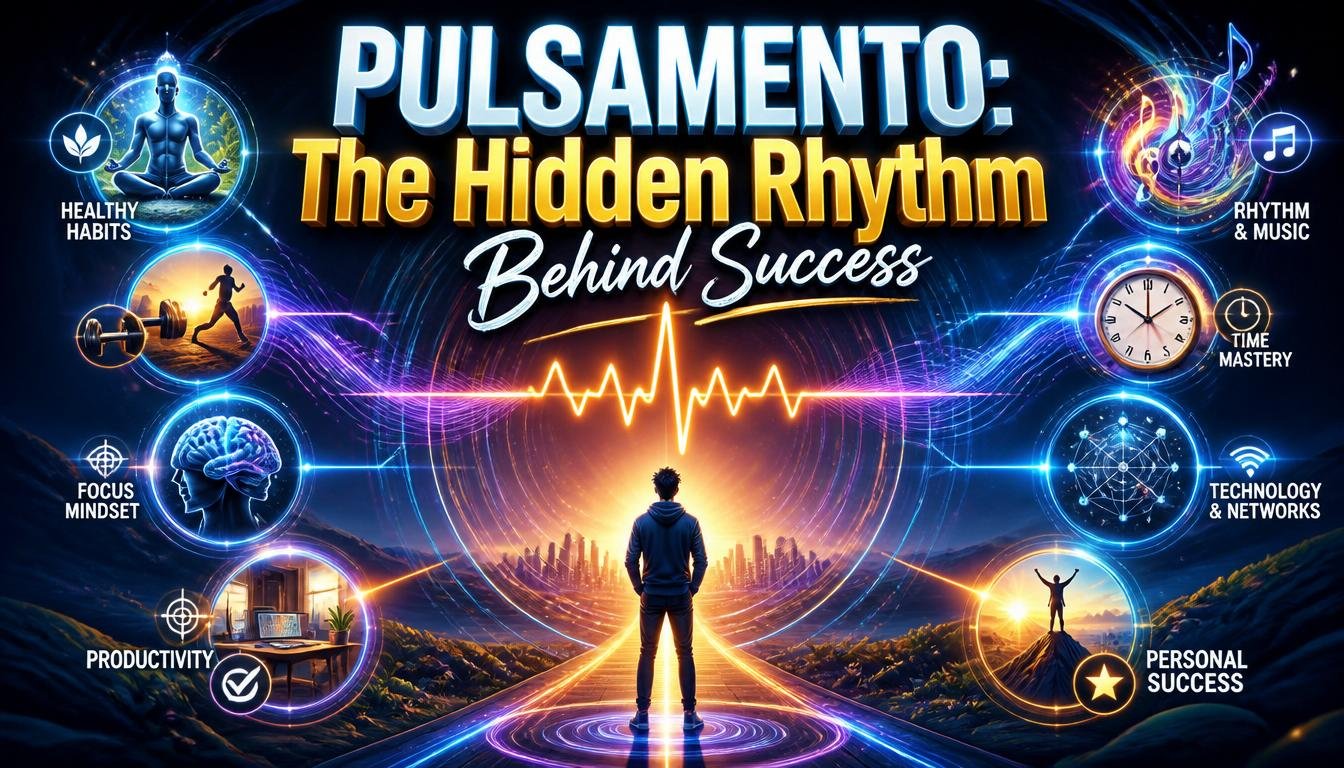
Understanding pulsamento is not just about learning the meaning of a unique word. It is about recognizing the hidden rhythm that shapes your daily life. From your habits and health to your work, relationships, and personal goals, every repeated action creates a pattern. Good patterns often lead to positive results, while unhealthy routines can hold you back. When you become aware of these rhythms, you gain the power to improve them one small step at a time.
The best part is that you do not need to change your entire life overnight. Small actions, repeated consistently, can create amazing long-term results. Whether you want to become healthier, learn a new skill, improve your productivity, or achieve personal success, building better daily routines is one of the smartest places to start. Every positive choice you make today becomes part of a stronger future, proving that lasting success is built through consistency rather than perfection.
Frequently Asked Questions (FAQs)
Q1: What does pulsamento mean?
A: Pulsamento refers to the idea of rhythm, repeated movement, and natural patterns. It can describe physical rhythms, daily habits, music, technology, and many other areas where consistent cycles exist.
Q2: Is pulsamento an official scientific term?
A: No. Pulsamento is not a formal scientific theory. However, it is connected to real concepts such as biological rhythms, heartbeats, breathing patterns, signal processing, and repeated human behaviors.
Q3: How does pulsamento relate to daily life?
A: It relates to the routines and habits you repeat every day. Your sleep schedule, exercise routine, work habits, and learning patterns all influence your long-term results.
Q4: Can understanding pulsamento improve productivity?
A: Yes. When you identify your most productive hours and create healthy routines, you can manage your time better, stay focused, and complete important tasks more efficiently.
Q5: Why is pulsamento becoming popular online?
A: Interest in pulsamento is growing because people are searching for information about rhythm, personal growth, technology, health, and unique concepts that connect these topics in an easy-to-understand way.
Q6: How can I build a better daily rhythm?
A: Start with small habits that you can repeat every day. Wake up at a regular time, eat healthy meals, exercise, learn something new, plan your tasks, and get enough sleep. Consistency over time creates lasting positive change.