

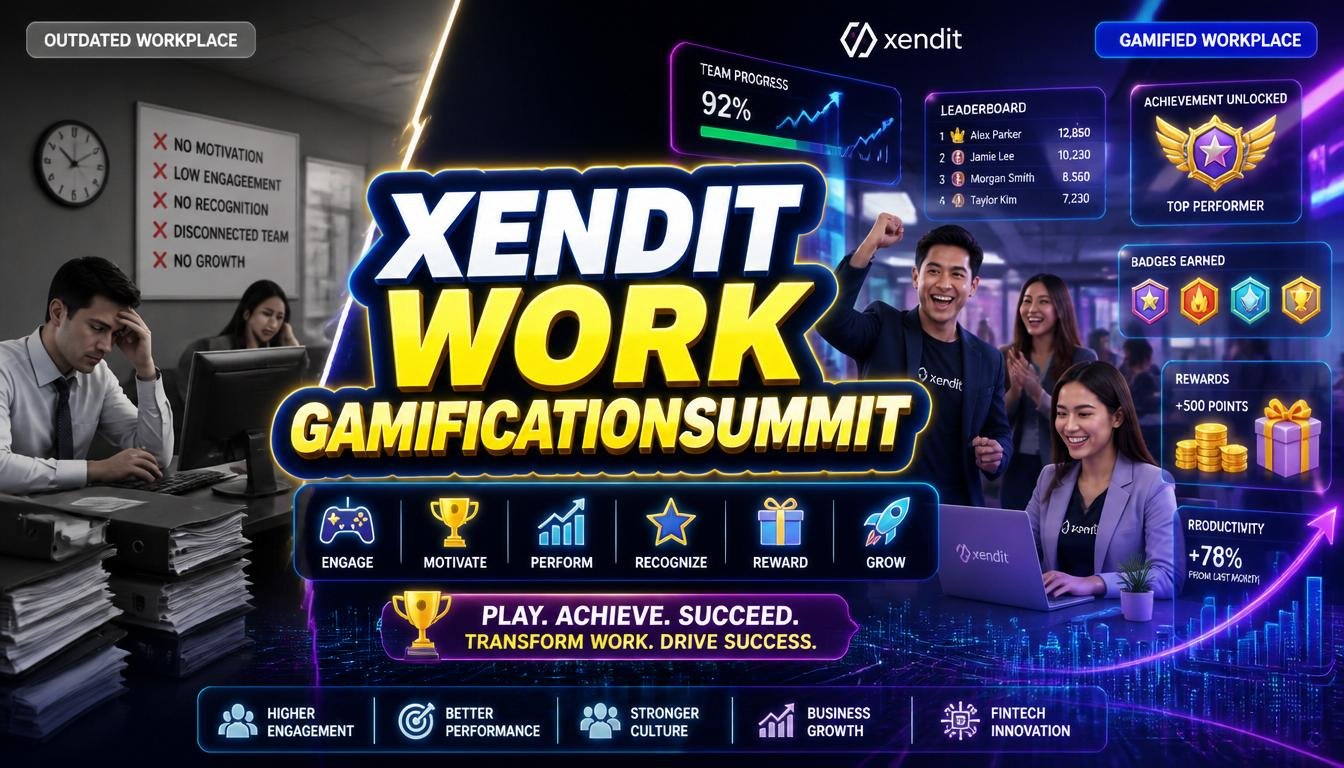
Xendit Work GamificationSummit: 9 Powerful Benefits, Hidden Challenges & Complete 2026 Guide
The way people work is changing faster than ever before. Companies are no longer focusing only on salaries, deadlines, and traditional performance reviews. Modern workplaces are looking for smarter ways to keep employees motivated, connected, and productive. This is where xendit work gamificationsummit becomes an interesting concept because it combines workplace improvement strategies with the power of gamification.
In simple words, workplace gamification means using game-like features in normal work activities. These features can include points, badges, challenges, progress tracking, rewards, and recognition systems. The goal is not to turn work into a video game but to make daily tasks more engaging and meaningful.
The idea behind xendit work gamificationsummit connects with a bigger movement happening in modern businesses. Organizations are exploring new ways to improve employee experience, increase teamwork, and create a stronger workplace culture. By adding elements of achievement and progress, companies can help employees feel more involved in their work.
Many employees today want more than just completing tasks. They want to see growth, receive appreciation, learn new skills, and understand how their work creates value. A well-designed gamification system can provide these benefits by making progress visible and encouraging positive behaviors.
Although there is limited public information confirming an official event with this exact name, the concept represents a growing workplace trend. It reflects how companies, especially technology and fintech organizations, are exploring innovative employee engagement methods.
This complete guide explains what xendit work gamificationsummit means, how workplace gamification works, its benefits, challenges, implementation strategies, and why gamified work culture may become an important part of the future workplace.
What Is Xendit Work GamificationSummit and Why Is It Becoming Popular?
Xendit work gamificationsummit can be understood as a workplace engagement concept that focuses on using gamification methods to improve employee motivation, productivity, and collaboration. Instead of depending only on traditional management methods, this approach introduces interactive systems that encourage employees to participate actively in daily work.
The main idea behind workplace gamification is simple. People naturally enjoy progress, achievement, recognition, and challenges. When companies apply these psychological principles correctly, employees may become more interested in their tasks and more connected with their goals. A simple progress bar, achievement badge, or team challenge can create a sense of accomplishment.
Modern businesses are facing several workplace problems. Many organizations struggle with low employee engagement, reduced motivation, communication issues, and employee burnout. Traditional systems sometimes fail because employees may feel that their efforts are invisible. Gamification helps solve this problem by creating clear feedback and recognition.
For example, imagine a customer support team where employees receive recognition for improving customer satisfaction scores. Instead of only receiving a yearly review, team members can see their progress every week. This creates continuous motivation and encourages improvement.
The concept also connects with fintech companies because technology-driven organizations often depend on innovation, teamwork, and fast problem-solving. A gamified workplace can support these goals by encouraging employees to collaborate and achieve measurable results.
However, it is important to understand that successful gamification is not only about rewards. A poor system can create unhealthy competition or make employees feel pressured. The best workplace gamification strategies focus on meaningful progress, learning, teamwork, and employee satisfaction.
A strong xendit work gamificationsummit approach would combine technology, employee psychology, and business objectives. Instead of forcing people to work harder, it creates an environment where employees naturally want to improve.
Workplace gamification is becoming popular because companies are realizing that employee experience directly affects business success. When workers feel valued and motivated, they are more likely to contribute creative ideas, support their teams, and stay connected with company goals.
How Workplace Gamification Works in Modern Organizations
Workplace gamification works by adding game-inspired elements to normal business activities. These elements help employees understand their progress, receive feedback, and stay motivated. The purpose is not entertainment but creating better engagement systems.
A typical gamified workplace begins with clear goals. Companies first identify what behaviors they want to encourage. These goals may include improving productivity, increasing teamwork, completing training programs, or improving customer service quality.
After defining goals, organizations introduce different gamification mechanics. Points are one of the most common features. Employees can earn points by completing important tasks, reaching milestones, or helping team members. These points represent progress and give employees a clear view of their achievements.
Badges and achievements are another important part of workplace gamification. They allow companies to recognize specific skills or accomplishments. For example, an employee who completes advanced training may receive a learning achievement badge.
Leaderboards can also be used, but they should be designed carefully. Healthy competition can encourage improvement, but excessive competition may damage teamwork. Many modern companies focus more on team achievements rather than only ranking individual employees.
Progress tracking is another major benefit. Employees often feel more motivated when they can see how far they have come. Digital dashboards can show completed projects, learning progress, performance improvements, and future goals.
Technology plays an important role in making these systems effective. Companies may use employee engagement platforms, HR software, project management tools, and analytics systems to manage gamification programs.
For example, a software development company could create a challenge system where developers earn recognition for solving complex problems, sharing knowledge, or improving code quality. This encourages both individual growth and team collaboration.
Another example can be a sales department using gamified goals. Sales employees may track achievements, customer interactions, and successful campaigns through a digital dashboard. This creates transparency and motivates employees to improve performance.
The success of xendit work gamificationsummit depends on balance. Companies need to combine rewards with meaningful work. Employees should feel that gamification supports their career growth rather than simply adding pressure.
When implemented correctly, workplace gamification creates a positive cycle. Employees become more engaged, companies achieve better results, and teams develop a stronger culture of collaboration and continuous improvement.Benefits of Xendit Work GamificationSummit for Employee Engagement and Business Growth
One of the biggest reasons why xendit work gamificationsummit attracts attention is because workplace gamification can improve many areas of business performance. Companies today understand that employee engagement is not just about keeping workers busy. It is about creating an environment where people feel motivated, appreciated, and connected with their work.
When employees clearly understand their goals and can see their progress, they often become more focused. Gamification provides this visibility by showing achievements, milestones, and improvements. Instead of waiting months for a performance review, employees can receive regular feedback and recognition.
A major benefit of workplace gamification is increased employee engagement. Many employees lose motivation when their daily tasks feel repetitive or when their contributions are ignored. Gamified systems solve this problem by making progress more visible. Small achievements, such as completing a project milestone or learning a new skill, can receive recognition.
Another important advantage is improved teamwork. Modern companies depend heavily on collaboration, especially in technology and fintech industries. A good gamification strategy encourages employees to work together through shared challenges and team-based goals. This helps departments communicate better and solve problems faster.
For example, a product development team could create a monthly innovation challenge. Employees from different departments could share ideas, test solutions, and receive recognition for useful contributions. This type of system encourages creativity while strengthening workplace relationships.
Productivity can also improve through better goal management. When employees have clear targets and visible progress tracking, they can understand what needs to be completed and how their efforts contribute to larger business objectives.
However, productivity improvement does not come only from adding points or rewards. The real value comes from creating a system that supports learning, recognition, and professional development.
The concept behind xendit work gamificationsummit also connects with employee retention. Workers are more likely to stay with organizations where they feel respected and see opportunities for growth. Recognition programs, learning challenges, and achievement systems can help create a stronger connection between employees and companies.
Another benefit is faster learning. Businesses can use gamification in training programs by adding learning levels, certificates, challenges, and progress tracking. This makes professional development more interactive and encourages employees to continue improving their skills.
A successful gamified workplace creates a positive experience where employees do not only complete tasks but also understand their growth journey. This approach supports both employee satisfaction and long-term business growth.
Core Principles That Make Workplace Gamification Successful
A successful xendit work gamificationsummit strategy depends on more than adding game features to workplace systems. Companies need to follow important principles that ensure gamification creates real value instead of becoming a temporary trend.
The first principle is meaningful progress. Employees need to understand why their work matters. A good gamification system connects individual achievements with larger company goals. When workers see how their efforts contribute to success, they develop a stronger sense of purpose.
For example, a customer service employee should not only receive points for answering tickets. The system should also show how their faster responses improve customer satisfaction and company reputation. This creates a meaningful connection between actions and results.
The second principle is recognition. People naturally want their efforts to be noticed. Workplace gamification should provide regular appreciation through badges, achievements, messages, or team celebrations.
However, recognition should not focus only on top performers. A balanced system should also appreciate improvement, teamwork, creativity, and learning progress. This prevents employees from feeling ignored if they are not at the top of a leaderboard.
The third principle is continuous learning. Modern workplaces change quickly, especially in technology-related industries. Employees need opportunities to develop new skills. Gamified learning systems can make training more enjoyable by creating challenges, levels, and achievement milestones.
The fourth principle is collaboration. While competition can sometimes increase motivation, teamwork is usually more valuable for long-term success. Companies should design challenges that encourage employees to support each other.
The main principles include:
- Clear goals: Employees should understand what actions are valuable.
- Fair rewards: Recognition should match real achievements.
- Regular feedback: Employees should receive updates about progress.
- Employee involvement: Workers should have a voice in system design.
- Continuous improvement: Companies should update strategies based on results.
The future of workplace engagement depends on creating systems that respect employees. Gamification should not feel like a control mechanism. Instead, it should act as a tool that helps people grow, collaborate, and achieve meaningful goals.
A carefully designed xendit work gamificationsummit model focuses on human motivation rather than only numbers. When companies understand employee psychology, they can create workplaces that are productive and enjoyable.
Technologies Supporting Modern Workplace Gamification Systems
Technology is one of the most important factors behind successful workplace gamification. Without the right digital tools, companies may struggle to track progress, measure engagement, or provide personalized experiences.
The idea behind xendit work gamificationsummit connects strongly with technology because modern businesses use digital systems to manage employee activities, performance, and learning.
One important technology is employee engagement software. These platforms allow companies to create challenges, track achievements, and provide recognition. Employees can view their progress through dashboards and receive updates about their goals.
Artificial intelligence is also becoming valuable in workplace gamification. AI systems can analyze employee behavior and provide personalized recommendations. For example, an AI-powered platform may suggest training programs based on an employee’s skills and career goals.
Data analytics is another major component. Companies can study engagement patterns, identify problems, and improve their strategies. Analytics can show which challenges are successful and which areas need improvement.
Common technologies used in workplace gamification include:
- Employee engagement platforms
- HR management systems
- Learning management software
- Performance tracking dashboards
- Artificial intelligence tools
- Data analytics platforms
- Collaboration applications
- Workflow automation systems
For example, a large company may use an internal platform where employees complete learning missions, earn certificates, and track career development. Managers can use the data to understand employee needs and provide better support.
Another example is remote teams. Since remote employees may sometimes feel disconnected, companies can use gamification tools to create virtual challenges, team activities, and recognition programs. These systems help maintain communication and teamwork even when employees work from different locations.
Technology also helps companies avoid unfair systems. Instead of relying on personal opinions, organizations can use real data to measure progress and identify achievements.
However, technology alone cannot guarantee success. The human side of gamification remains the most important factor. Companies must design systems that are simple, fair, and focused on employee improvement.
The combination of technology, psychology, and workplace strategy makes gamification more effective. As digital workplaces continue to grow, these systems may become a common method for improving employee experiences.Challenges and Limitations of Xendit Work GamificationSummit
Although xendit work gamificationsummit represents an interesting approach to improving workplace engagement, companies must understand that gamification is not a magic solution. A poorly designed system can create new problems instead of solving existing workplace challenges. The success of gamification depends on careful planning, employee understanding, and continuous improvement.
One common challenge is poor system design. Some companies add points, badges, or leaderboards without thinking about their actual purpose. When employees do not understand why they are receiving rewards or how the system connects with business goals, they may lose interest quickly.
For example, if a company rewards employees only for completing a high number of tasks, workers may focus on quantity instead of quality. This can reduce creativity and create unnecessary pressure. A successful gamification system should reward valuable behaviors, not just fast completion.
Another challenge is excessive competition. Competition can sometimes motivate people, but too much competition may damage teamwork. Employees may focus only on their personal rankings instead of helping colleagues or sharing knowledge.
A balanced approach is important. Companies should combine individual achievements with team-based goals. For example, instead of only rewarding the employee with the highest sales numbers, a company can also recognize teams that improve customer satisfaction or support other departments.
Reward fatigue is another possible issue. If employees receive the same rewards repeatedly, they may stop finding them meaningful. Companies need to update their recognition systems and offer rewards that support real employee needs.
Privacy and transparency are also important concerns. Employees should understand what data is being collected and how it is used. A workplace gamification system should build trust, not create feelings of constant monitoring.
Other challenges include:
- Unclear goals and expectations
- Lack of employee participation
- Poor communication about the system
- Rewards that do not match employee interests
- Limited management support
To overcome these problems, organizations should test gamification programs on a small scale before expanding them. Employee feedback should be collected regularly to understand what works and what needs improvement.
The main lesson is that gamification should support employees, not control them. The best xendit work gamificationsummit approach focuses on creating a positive workplace experience where people feel motivated, recognized, and supported.
When companies treat gamification as a long-term strategy instead of a short-term trend, they can build stronger engagement systems that benefit both employees and business growth.
Industries That Can Benefit From Workplace Gamification Strategies
Workplace gamification is not limited to one industry. Many different types of organizations can use gamified systems to improve employee engagement, learning, and productivity. The ideas connected with xendit work gamificationsummit can apply to startups, technology companies, financial organizations, and many other businesses.
The fintech industry is one area where gamification can be especially useful. Fintech companies often work in fast-changing environments where innovation and teamwork are important. Gamified learning programs can help employees stay updated with new technologies and industry changes.
For example, a fintech company could create a cybersecurity learning challenge where employees complete training modules and earn achievements. This encourages continuous learning while improving important business skills.
Technology companies can also benefit from workplace gamification. Software developers, designers, and product teams often work on complex projects that require creativity and problem-solving. Gamification can recognize contributions such as solving technical challenges, improving systems, or sharing knowledge.
Customer support teams are another good example. These teams often handle repetitive tasks, which can sometimes reduce motivation. A gamified system can recognize fast response times, customer satisfaction improvements, and teamwork.
Other industries that can benefit include:
- Healthcare: Gamification can support employee training, skill development, and better teamwork among healthcare professionals.
- Education: Schools and educational organizations can use gamified systems for staff learning and professional development.
- Retail: Businesses can improve sales performance and customer service through achievement programs.
- Manufacturing: Companies can encourage safety practices, quality improvement, and operational efficiency.
- Remote companies: Virtual challenges and recognition systems can improve connection among distributed teams.
Small businesses can also use workplace gamification without expensive technology. Simple methods such as weekly challenges, recognition boards, team goals, and progress tracking can create positive results.
The important factor is choosing the right strategy for the organization. A system that works for a sales team may not work for an engineering department. Companies should understand employee needs before creating gamification programs.
The future of workplace engagement will likely involve more personalized systems. Organizations will use data, technology, and employee feedback to create experiences that match different roles and working styles.
A well-designed xendit work gamificationsummit model shows that gamification is not only about rewards. It is about creating workplaces where employees feel connected, valued, and motivated to improve.
How Businesses Can Implement a Successful Workplace Gamification System
Creating a successful workplace gamification system requires planning, testing, and understanding employee behavior. Companies should not simply copy gaming features and expect immediate results. A strong strategy should connect gamification with real business objectives.
Step-by-Step Implementation Guide
1. Define Clear Goals
Before creating a gamification system, companies should decide what they want to improve.
Possible goals include:
- Increasing employee engagement
- Improving productivity
- Supporting employee learning
- Strengthening teamwork
- Reducing workplace challenges
Clear goals help businesses create meaningful rewards and measure success.
2. Identify Important Behaviors
The next step is deciding which actions should receive recognition.
Examples include:
- Completing training programs
- Helping team members
- Sharing creative ideas
- Improving customer service
- Reaching project milestones
Companies should reward behaviors that create real value.
3. Choose Suitable Gamification Elements
Different workplaces need different features.
Useful elements include:
- Points for achievements
- Badges for skills
- Challenges for teamwork
- Progress levels for development
- Recognition systems for appreciation
The system should remain simple and easy to understand.
4. Start With a Small Pilot Program
Instead of launching gamification across the entire company immediately, businesses should test it with a smaller group.
A pilot program helps organizations discover:
- Employee reactions
- Technical problems
- Improvement opportunities
- Effective reward methods
5. Collect Feedback and Improve
Employee opinions are extremely valuable. Companies should regularly ask workers about their experience and make changes when needed.
A successful xendit work gamificationsummit strategy should continue evolving as workplace needs change.
Future Trends of Workplace Gamification
The future of workplace gamification will be influenced by artificial intelligence, personalization, and digital transformation. Companies are moving toward smarter systems that understand employee needs and provide better engagement experiences.
Emerging Trends in Workplace Gamification
- AI-powered personalization: Systems will create customized learning and development paths for employees.
- Real-time analytics: Companies will understand engagement patterns faster.
- Virtual learning experiences: Training may become more interactive through digital environments.
- Automated recognition: Employees may receive instant appreciation for valuable contributions.
- Behavior-based insights: Organizations will use data to improve workplace experiences.
The future workplace will likely focus more on employee experience. People want meaningful work, growth opportunities, and recognition. Gamification can support these needs when designed responsibly.
The biggest opportunity is creating workplaces where technology supports human motivation. Companies that combine innovation with employee-focused strategies may achieve stronger performance and better retention.
FAQs About Xendit Work GamificationSummit
Q: What is xendit work gamificationsummit?
A: Xendit work gamificationsummit is a workplace gamification concept that focuses on using game-based strategies like rewards, challenges, progress tracking, and recognition to improve employee engagement and productivity.
Q: Is xendit work gamificationsummit an official event?
A: There is limited public information confirming an official event with this exact name. It is mainly discussed as a workplace gamification concept connected with modern employee engagement strategies.
Q: What is workplace gamification?
A: Workplace gamification means using game-inspired features such as points, badges, challenges, and achievements in normal work environments to improve motivation and participation.
Q: Can gamification improve employee productivity?
A: Yes, when designed properly. Gamification can improve productivity by creating clear goals, regular feedback, and recognition for employee achievements.
Q: Which companies can use workplace gamification?
A: Companies of all sizes can use gamification, including fintech firms, technology companies, startups, healthcare organizations, education providers, and remote teams.
Q: What are the risks of workplace gamification?
A: Common risks include excessive competition, poor reward systems, unclear goals, and employee frustration if the system is not designed carefully.
Conclusion
Xendit work gamificationsummit represents the growing importance of workplace gamification in modern organizations. By combining technology, employee psychology, and meaningful recognition systems, companies can create better work experiences and stronger teams.
The future of work is moving toward more interactive and employee-focused environments. Businesses that use gamification carefully can improve engagement, encourage learning, and build a workplace culture where employees feel valued and motivated.